Nursing Facility Abuse Lawyer: Fighting for Justice and Protection
Elder care abuse continues to be a critical concern, commonly kept out of sight. Victims face immense challenges in seeking justice, leaving them vulnerable and isolated. A nursing home abuse attorney fulfills an essential purpose in confronting these violations. They provide essential legal support, guaranteeing that survivors can copyright their rights. Understanding the complexities of this situation is vital for families considering their options. What actions could be necessary to safeguard those in their care?
Understanding the Signs of Nursing Home Abuse
How are families able to detect the subtle warning signs of nursing home abuse? Identifying these indicators is essential for protecting the health and safety of loved ones. Physical signs such as unexplained bruises, cuts, or sudden weight loss may point to neglect or mistreatment. Emotional signals like withdrawal, depression, or sudden shifts in behavior can also be signs of abuse. Families should pay attention to their loved one's interactions with staff; fearful behavior or reluctance to speak can be telling. Changes in financial situations, like missing belongings or unexpected withdrawals, could suggest financial exploitation. Frequent visits and candid discussions with residents allow families to remain aware of their loved one's well-being. Recording any concerns thoroughly can supply vital evidence in the event that action becomes necessary. Above all, consistent vigilance and heightened awareness are essential for uncovering potential abuse and preserving a safe setting for vulnerable individuals receiving nursing care.
How a Nursing Home Abuse Lawyer Can Assist You
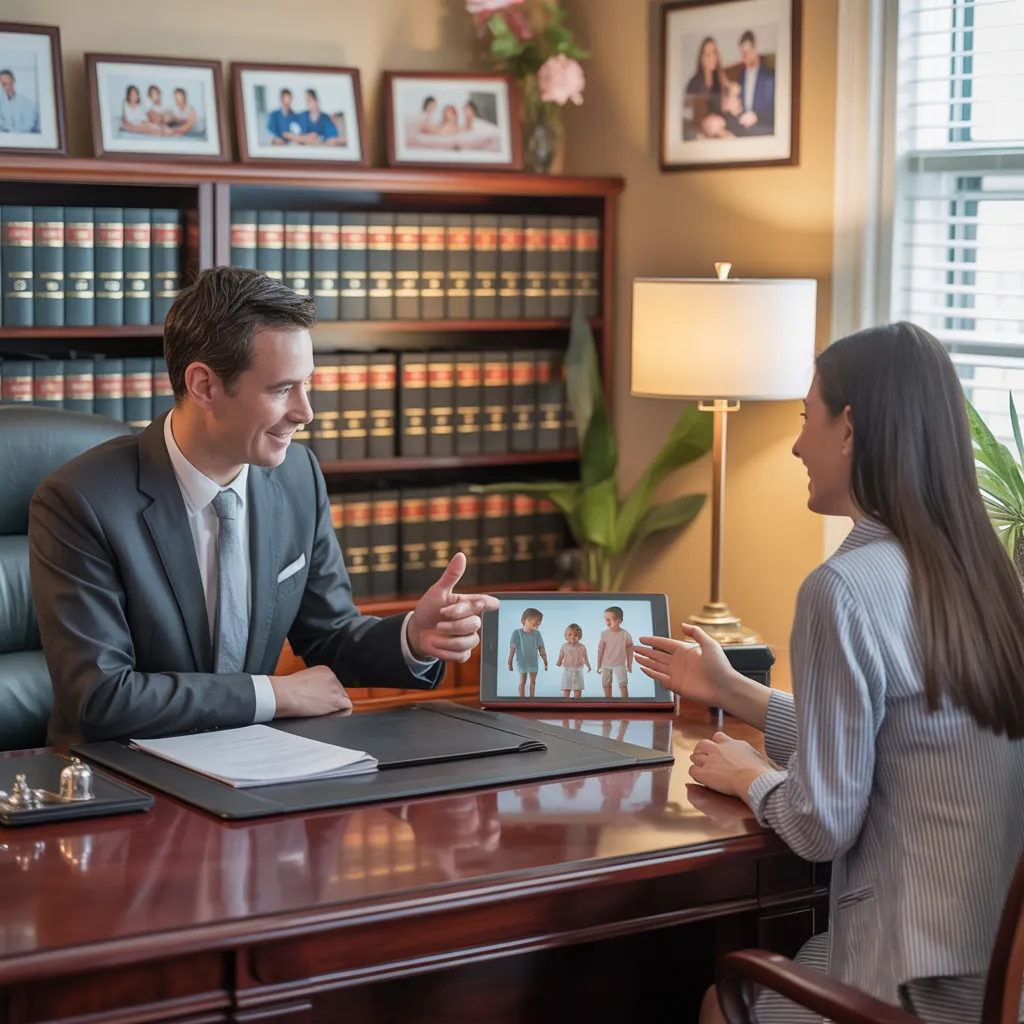
A nursing home neglect attorney delivers essential legal representation for victims seeking justice. They play an important role in investigating claims of abuse, compiling evidence, and constructing a compelling case. Additionally, these legal professionals endeavor to secure financial restitution for victims and their families, alleviating the emotional and financial toll of such abuse.
Attorney Representation For Victims
Those who have suffered nursing home abuse commonly experience immense emotional and physical challenges, making qualified legal representation critical for managing their complicated circumstances. A nursing home abuse lawyer offers essential support by ensuring that victims understand their rights and legal options. Such legal experts can navigate the intricate legal landscape, assisting in gathering evidence and constructing a compelling case. They advocate for fair compensation, covering medical expenses, emotional distress, and other damages. Furthermore, a qualified legal professional can engage in negotiations with nursing homes and insurance companies, alleviating the burden on victims and their families. By providing guidance and expertise, nursing home abuse lawyers play an important role in empowering victims to seek justice and reclaim their dignity.
Exploring Abuse Reports
Comprehending the nuances of nursing home abuse matters is vital for victims seeking justice. A nursing home abuse lawyer plays a pivotal role in investigating these claims. They initiate the process by compiling relevant evidence, including clinical documentation, accounts from bystanders, and institutional records. This thorough investigation often involves going to the facility to assess conditions and questioning personnel and occupants. Legal professionals also partner with specialists to recognize indicators of mistreatment or neglect that may not be immediately visible. By applying their expertise of applicable legal standards, they can evaluate the legitimacy of claims and construct a compelling argument. At the core of their work, the legal professional's dedication to revealing the facts ensures those responsible are held accountable and supports victims in their pursuit of justice.
Obtaining Financial Compensation
Obtaining a financial settlement for nursing home abuse requires navigating a challenging legal landscape. A nursing home abuse attorney serves a critical role in supporting victims and their families through this complex process. They evaluate the viability of the case, compile necessary evidence, and establish liability. By applying their legal experience, these legal advocates can negotiate with insurance companies and opposing parties to reach fair resolutions. If negotiations are unsuccessful, they are ready to fight aggressively in court. Compensation may cover medical costs, pain and suffering, and additional losses caused by the abuse. When all is said and done, a capable nursing home abuse advocate takes steps to ensure that victims secure the monetary support required for recovery and accountability, making negligent parties answer for their wrongdoing.
Understanding the Legal Process for Filing a Claim
When traversing the legal proceedings for submitting a nursing home abuse claim, several key aspects must be understood. This includes understanding the various categories of abuse claims, the importance of thorough evidence collection, and an overview of the legal timeline involved. Each of these components plays a vital role in building a strong case for victims and their families.
Categories of Abuse Claims
There are numerous forms that nursing home abuse can take, each requiring specific legal considerations for those pursuing justice. Frequently encountered abuse claims encompass financial, physical, emotional, and sexual abuse. Physical abuse involves harm or injury inflicted on residents, while emotional abuse encompasses verbal harassment and psychological manipulation. Sexual abuse includes any non-consensual sexual contact, and financial abuse involves the unauthorized exploitation of a resident's funds or assets. Another critical area, neglect, is defined by a failure to provide essential care, leading to deterioration in health and well-being. A tailored legal approach is necessary for each type of abuse, highlighting the significance of understanding the intricacies of the claims process to successfully champion the rights and safety of vulnerable nursing home residents.
Evidence Acquisition Process
A comprehensive grasp of the evidence gathering process is essential for victims seeking justice for nursing home abuse. Collecting strong evidence forms the backbone of any lawsuit, demanding careful attention to detail. This process often begins with collecting healthcare records, images documenting injuries, and testimonies from staff members or fellow residents. Documenting occurrences with precise dates and times is necessary. Additionally, preserving any physical evidence, such as clothing or belongings, can help demonstrate a pattern of mistreatment. Working with a nursing home abuse lawyer can offer direction regarding the kinds of evidence required and ensure that correct procedures are adhered to. At the end of the day, thorough documentation improves the likelihood of securing justice for nursing home abuse victims.
Legal Chronology Summary
Understanding the legal schedule for filing a claim in situations involving nursing home abuse is vital for affected individuals and their loved ones. The process generally starts with an first discussion with a nursing home abuse lawyer, who will assess the strengths of the case. Subsequent to this, proof must be assembled, which can take several weeks. When enough documentation has been assembled, a formal claim is submitted, commencing the formal proceedings. The timeline differs based on state laws, but typically, a claim must be filed within a designated filing deadline, often ranging from one to three years. After filing, negotiations or settlement discussions may occur, and if unresolved, the case may proceed to trial, which can prolong the overall timeframe.
Critical Evidence for Your Nursing Home Abuse Case
Proof plays an essential role in substantiating claims of nursing home abuse. To establish a solid case, various forms of documentation and witness accounts are vital. Medical records can offer detailed accounts of injuries or neglect, while photographs of injuries or unsafe conditions can visually substantiate allegations. In addition, incident reports documented by nursing home staff serve as official documentation of any occurrences of abuse or neglect.
Witness statements from family members, residents, or staff can also support allegations. CCTV footage, if available, can be crucial in proving the mistreatment or negligence in question. Furthermore, documented communications, such as text messages or emails between relatives and care facility personnel, may expose past concerns communicated about patient care.
Collecting and organizing this evidence in a timely manner improves the likelihood of a successful legal outcome. A nursing home abuse lawyer can assist families and victims in gathering essential proof to seek justice on their behalf.
Expected Compensation for Victims of Nursing Home Abuse
Those who have suffered nursing home abuse are entitled to seek damages for the harm they have endured, which can fluctuate considerably based on the particular details of each claim. Variables that impact the amount awarded include the extent of physical injuries, emotional distress, and monetary harm caused by healthcare costs or a decreased quality of life. Additionally, exemplary damages may be imposed in cases of severe neglect or willful wrongdoing, aiming to deter future misconduct.
When assessing claims, courts often examine the seriousness of the abuse, the duration of the suffering, and the toll taken on the victim's loved ones. Having proper legal representation is vital, as experienced nursing home abuse lawyers can assist victims in understanding and navigating the legal system and work to secure appropriate compensation. The primary objective is to reach an agreement that fully accounts for all damages and encourages responsibility within the care facility.
Tips for Choosing a Nursing Home Abuse Attorney
What is the best way to choose a nursing home abuse attorney? The first step involves looking into lawyers who focus on elder law and nursing home abuse matters. An attorney's background and history of results are essential; potential clients should seek those with a history of successful outcomes in similar cases.
In addition, client testimonials and reviews can shed light on an attorney's professionalism and effectiveness. It is important to question the legal representative's approach to handling cases, including their readiness to take cases to trial when needed.
Communication style and accessibility are equally important considerations; clients need to feel at ease when addressing sensitive topics.
Last but not least, evaluate the lawyer's payment arrangement—determining if they operate find the information on a contingency fee basis can considerably shape the decision-making process. By implementing these strategies, people can find a nursing home abuse attorney who will diligently pursue justice and security.
Legal Approaches to Preventing Nursing Home Abuse
Finding a experienced nursing home abuse attorney can set the stage for confronting and reducing additional occurrences of abuse. Successful legal approaches are built upon comprehensive examinations of the nursing home's practices and the assistance offered to residents. Legal professionals often gather proof, including medical records and witness testimonies, to establish a pattern of abuse or neglect.
Additionally, they may urge families to document any indicators of abuse, establishing a strong basis for taking legal steps. Attorneys can also work toward better safety standards and guidelines within nursing homes, stressing the necessity of transparency and accountability.
Engaging in alternative dispute resolution can sometimes lead to faster outcomes, providing advantages to residents and facilities alike. At its core, a forward-thinking course of action not only seeks justice for victims but also strives to foster a safer environment for every resident in nursing care, underscoring the importance of legal advocacy in averting further harm.
Answers to Frequent Questions
What Should I Do if I Suspect Abuse?
When abuse is suspected, it is important to record observations, collect evidence, and bring concerns to the attention of appropriate authorities. Consulting with professionals or advocates can give clarity on the next steps to ensure the victim's safety and well-being.
Am I Able to File a Lawsuit Anonymously?
Absolutely, persons may pursue legal action without revealing their identity in select instances, based on jurisdiction and specific circumstances. Consulting with a licensed lawyer is strongly encouraged to understand the options available for maintaining one's anonymity during the course of the case.
How Much Time Do I Have to Submit a Claim?
In the majority of jurisdictions, claimants typically have between one and three years to initiate a claim, depending on the specific circumstances and local laws. It is important to speak with a legal professional for precise guidance regarding deadlines.
Are There Consequences for Reporting Suspected Abuse?
That is correct, there are repercussions for neglecting to report suspected abuse, including financial penalties and possible criminal prosecution. Protections for whistleblowers are in place to protect those who report, encouraging vigilance and accountability in protecting vulnerable individuals.
What Should You Do if the Abuser Is a Staff Member?
If the abuser is a staff member, the facility typically investigates the allegations. Consequences may include disciplinary action, termination, or legal repercussions, according to the extent of the abuse and governing regulations. Reporting is essential.
Comments on “The Finn Law Firm Legal Team for Victim Protection”